Introduction
Wound treatment is a vital facet of nursing and medical technique, focusing on the avoidance, analysis, and management of injuries. As healthcare continues to progress, the demand for qualified experts in injury treatment has grown dramatically. Whether you're a seasoned nurse looking to specialize further or somebody brand-new to the area aiming to make a mark, choosing the right wound care training program can be critical to attaining your job objectives.
In this thorough guide, we'll explore numerous elements of wound care training, consisting of types of training courses offered, crucial factors to think about when choosing a program, and how customized training can improve your job leads. With countless options available, this post will assist you browse with the selections effectively.

Understanding Wound Treatment Training
What is Wound Treatment Professional Training?
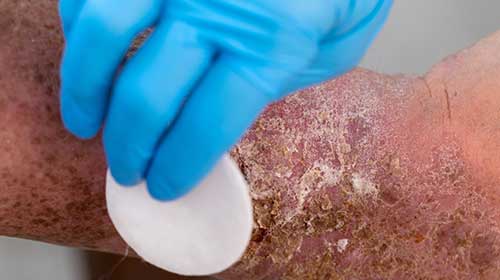
Wound treatment professional training focuses on gearing up medical care specialists with the understanding and skills required for effective wound management. This training includes different facets such as composition https://zenwriting.net/arvicaxyla/leading-5-wound-care-training-courses-for-aspiring-health-care-professionals-bjm1 and physiology related to wound recovery, kinds of wounds (severe vs. chronic), dressing option, infection control, and discomfort management.
Key Components:
- Anatomy & Physiology: Comprehending skin layers and recovery processes. Types of Wounds: Differentiating in between acute and chronic wounds. Dressing Techniques: Finding out about numerous injury dressings and their proper use. Infection Control: Ideal practices for avoiding infection in wound care.
Why is Wound Care Training Important?
The value of appropriate wound treatment can not be overstated. Incorrect strategies can result in complications such as infections or long term healing times. Moreover, with an enhancing variety of clients suffering from persistent problems that influence healing-- like diabetes-- sufficient training comes to be vital for efficient client outcomes.
Types of Wound Care Training Courses Available
When considering just how to choose the right wound care training course for your career goals, it's vital first to comprehend the different types available:
Basic Wound Care Training
Perfect for beginners or those searching for fundamental understanding in wound management.
Advanced/ Complex Wound Care Training
Created for seasoned doctor intending to strengthen their understanding of intricate cases.
Online Injury Care Courses
Versatile alternatives that permit you to find out at your very own pace while stabilizing other commitments.
Hands-On Workshops
Practical sessions where individuals obtain real-life experience in handling wounds under professional supervision.
NDIS Injury Treatment Training
Specialized programs concentrating on handling wounds within the context of Australia's National Handicap Insurance policy Plan (NDIS).
Certification Programs

How to Pick the Right Wound Care Training Program for Your Career Goals
Choosing the appropriate program can feel daunting offered the range available. Right here are numerous variables you must take into consideration:
Define Your Career Objectives
What are your long-lasting job goals? Are you aiming to specialize better as a wound treatment registered nurse or perhaps transition right into a mentor role? Plainly defining your purposes will aid narrow down your choices significantly.
Assess Prerequisites
Some courses need prior nursing experience or particular qualifications prior to enrolling. Ensure you satisfy these needs prior to investing time and sources right into a program.
Investigate Training course Content
Look very closely at what each program provides:
- Does it cover both fundamental and intricate wound care? Are there practical components? Is it aligned with present ideal techniques in persistent injury treatment management?
Check Accreditation
Ensure that any kind of program you take into consideration is accredited by pertinent expert bodies in your location or country. Certification ensures that the education supplied fulfills specific requirements necessary for professional recognition.
Consider Flexibility
If you're presently functioning as a nurse or have various other dedications, select training courses that offer versatile routines-- like on-line learning options or weekend break workshops-- that match your way of living without frustrating you.
The Function of an Injury Care Nurse
Responsibilities and Skills Required
Wound treatment registered nurses play an indispensable function in client recuperation by examining injuries, establishing therapy plans, and educating people concerning recurring treatment techniques. Key responsibilities include:
Conducting extensive assessments Choosing appropriate dressings Monitoring recovery progression Collaborating with interdisciplinary groups Educating patients and families regarding self-care techniquesWith specialized training, you'll sharpen vital skills such as essential reasoning, problem-solving, interaction capacities, and technical skills pertinent to innovative therapies like negative stress treatment (NPT) or bioengineered skin substitutes.
Benefits of Specialized Injury Treatment Training
Investing time into specialized training provides many benefits:
Enhanced Expertise Base: You gain in-depth understanding about complicated cases. Career Development Opportunities: Professionals frequently have far better work prospects. Increased Confidence: Being trained boosts self-confidence in managing challenging scenarios. Networking Opportunities: Involving with peers offers joint opportunities. Improved Patient Outcomes: Inevitably leads to far better individual recovery rates!Frequently Asked Questions (FAQs)
1. What does a regular wound care training course include?
Most courses cover makeup relevant to wounds, assessment techniques, treatment techniques-- consisting of drug use-- a hands-on part demonstrating dressing modifications and patient education strategies.
2. How much time do these courses usually take?
Courses differ extensively; fundamental programs might last just a couple of days while sophisticated accreditation can take numerous weeks depending on depth and structure.
3. Can I take on-line courses while working full-time?
Absolutely! Lots of establishments provide flexible online programs designed specifically for functioning experts seeking comfort without jeopardizing quality education.
4. Will I get accreditation after finishing my course?
Yes! Most accredited programs offer certifications upon effective conclusion which can enhance employment possibility significantly!
5. Is previous nursing experience needed for entry-level courses?
Not always; some standard programs welcome people brand-new to medical care duties that want to begin their journey into wound management!
6. Just how do I know if an institution is reputable?
Research examines online from past trainees concerning their experiences; check if they have appropriately recognized programs recognized by specialist nursing associations!
Conclusion
Choosing the right wound care training course tailored especially towards achieving your profession goals requires mindful consideration of different factors-- from recognizing personal objectives down with checking out available options extensively! With specialized knowledge significantly coming to be necessary within healthcare settings today more than ever in the past-- taking this step might open doors leading toward considerable innovation opportunities while improving general client end results across areas worldwide!
Take charge currently; explore all avenues bordering "How to Select the Right Wound Care Training Training Course for Your Profession Goals" so that you can begin making informed decisions paving courses toward success tomorrow!